Devi Mahatmya / Chapter 1
Chapter 1 · Markandeya Purana canto 81
The slaughter of Madhu and Kaitabha in the account of the Savarnika Manv-antara
मधुकैटभवधो नाम
104 verses.
Verses follow the standard 700-verse numbering of the Durga Saptashati. Pargiter numbered the Purana differently, so his English was matched to each Sanskrit verse by its content; at a few joins a word or two may sit with the neighbouring verse. Lines found only in some printed editions are marked.
Verses 1 to 10
1मार्कण्डेय उवाच ॥
1Markandeya spoke:
2सावर्णिः सूर्यतनयो यो मनुः कथ्यतेऽष्टमः । निशामय तदुत्पत्तिं विस्तराद् गदतो मम ॥
2Surya’s son Savarni is he who is called the eighth Manu. Hear about his birth, as I tell it at full length,
3महामायानुभावेन यथा मन्वन्तराधिपः । स बभूव महाभागः सावर्णिस्तनयो रवेः ॥
3how by reason of the authority of the Great Illusion that illustrious son of the Sun, Savarni, became the king of the eighth manv-antara.
4स्वारोचिषेऽन्तरे पूर्वं चैत्रवंशसमुद्भवः । सुरथो नाम राजाभूत् समस्ते क्षितिमण्डले ॥
4In times ago in the Svaroc'isha period, a king named Su-ratha, sprung of the race of C'aitra, reigned over the whole earth.
5तस्य पालयतः सम्यक् प्रजाः पुत्रानिवौरसान् । बभूवुः शत्रवो भूपाः कोलाविध्वंसिनस्तथा ॥
5And while he guarded his subjects duly as if they were his own children, there arose hostile kings, who did not destroy the Kolas.
6तस्य तैरभवद् युद्धमतिप्रबलदण्डिनः । न्यूनैरपि स तैर्युद्धे कोलाविध्वंसिभिर्जितः ॥
6He the bearer of a very powerful sceptre had war with them, and was defeated in war by them, inferior though they were, those non-destroyers of the Kolas.
7ततः स्वपुरमायातो निजदेशाधिपोऽभवत् । आक्रान्तः स महाभागस्तैस्तदा प्रबलारिभिः ॥
7Then coming to his own city he reigned as king over his own country. That illustrious king was attacked then by those powerful enemies.
8अमात्यैर्बलिभिर्दुष्टैर्दुर्बलस्य दुरात्मभिः । कोषो बलञ्चापहृतं तत्रापि स्वपुरे ततः ॥
8His powerful and corrupt ministers, who were evil-disposed to a weak person, thereupon robbed him of treasury and army even there in his own city.
9ततो मृगयाव्याजेन हृतस्वाम्यः स भूपतिः । एकाकी हयमारुह्य जगाम गहनं वनम् ॥
9Hence the king deprived of his sovereignty departed alone on horseback to a dense forest under the pretence of hunting.
10स तत्राश्रममद्राक्षीद् द्विजवर्यस्य मेधसः । प्रशान्तश्वापदाकीर्णं मुनिश्ष्योपशोभितम् ॥
10There he saw the hermitage of the noble dvija Medhas, inhabited by wild animals which were peaceful, graced by the muni’s disciples;
Verses 11 to 20
11तस्थौ कञ्चित् स कालञ्च मुनिना तेन सत्कृतः । इतश्चैतश्च विचरंस्तस्मिन् मुनिवराश्रमे ॥
11and he dwelt there some time, honoured by the muni. And roaming hither and thither in that fine hermitage of the muni, he fell into thought there then,
12सोऽचिन्तयत् तदा तत्र ममत्वाकृष्टचेतनः । मत्पूर्वैः पालितं पूर्वं मया हीनं पुरं हि तत् ॥
12his mind being distraught by selfishness, egotistical —“Lost indeed is the city which I guarded formerly.
13मद्भृत्यैस्तैरसद्वृत्तैर्धर्मतः पाल्यते न वा । न जाने स प्रधानो मे शूरहस्ती सदामदः ॥
13Whether it is guarded righteously or not by those my servants of wicked conduct, I know not. My chief war-elephant, always ardent,
14मम वैरिवशं यातः कान् भोगानुपलप्स्यते । ये ममानुगता नित्यं प्रसादधनभोजनैः ॥
14has passed into the power of my foes; what pleasures will he obtain? They who were my constant followers now
15अनुवृत्तिं ध्रुवं तेऽद्य कुर्वन्त्यन्यमहीभृताम् । असम्यग्व्ययशीलैस्तैः कुर्वद्भिः सततं व्ययम् ॥
15assuredly pay court to other kings with favour, riches and food. The treasure which I amassed with great difficulty will go to waste through those men,
16संचितः सोऽतिदुः खेन क्षयं कोशो गमिष्यति । एतच्चान्यच्च सततं चिन्तयामास पार्थिवः ॥
16addicted to unbecoming expenditure, who are squandering it continually.” These and other matters the king thought of continually.
17तत्र विप्राश्रमाभ्यासे वैश्यमेकं ददर्श सः । स पृष्टस्तेन कस्त्वं भोः हेतुश्चागमनेऽत्र कः ॥
17Near the brahman’s hermitage there he saw a solitary vaisya, and asked him, “Ho! who art thou? and what is the reason of thy coming here?
18सशोक इव कस्मात्त्वं दुर्मना इव लक्ष्यसे । इत्याकर्ण्य वचस्तस्य भूपतेः प्रणयोदितम् ॥
18Why appearest thou as if full of sorrow, as if afflicted in mind?” Hearing this speech of the king, which was uttered in friendly mood,
19प्रत्युवाच स तं वैश्यः प्रश्रयावनतो नृपम् ॥
19the vaisya, bowing respectfully, replied to the king,
20वैश्य उवाच ॥
20Pargiter gives no separate English for this line.
Verses 21 to 30
21समाधिर्नाम वैश्योऽहमुत्पन्नो धनिनां कुले ॥
21“I am a vaisya, Samadhi by name, born in a family of wealthy folk,
22पुत्रदारैर्निरस्तश्च धनलोभादसाधुभिः । विहीनश्च धनैर्दारैः पुत्रैरादाय मे धनम् ॥
22and have been cast out by my sons and wife, who are wicked through greed for wealth. And bereft of riches, wife and sons, taking my wealth I have come to the forest,
23वनमभ्यागतो दुः खी निरस्तश्चाप्तबन्धुभैः । सोऽहं न वेद्मि पुत्राणां कुशलाकुशलात्मिकाम् ॥
23unhappy and cast out by my trusted kinsmen. In this state I know not what is the behaviour of my sons as
24प्रवृत्तिं स्वजनानाञ्च दाराणाञ्चात्र संस्थितः । किं नु तेषां गृहे क्षेममक्षेमं किं नु साम्प्रतम् ॥
24regards prosperity or adversity, nor of my family nor of my wife. Here I dwell. Is welfare theirs at home now or ill-luck?
25कथं ते किं नु सद्वृत्ताः दुर्वृत्ताः किं नु मे सुताः ॥
25How are they? Are my sons living good or evil lives?”
26राजोवाच ॥
26The king spoke:
27यैर्निरस्तो भवांल्लुब्धैः पुत्रदारादिभिर्धनैः ॥
27Why dost thou, Sir, fix thy mental affection on those covetous folk, thy sons,
28तेषु किं भवतः स्नेहमनुबध्नाति मानसम् ॥
28wife and others, who have cast thee out from thy wealth?
29वैश्य उवाच ॥
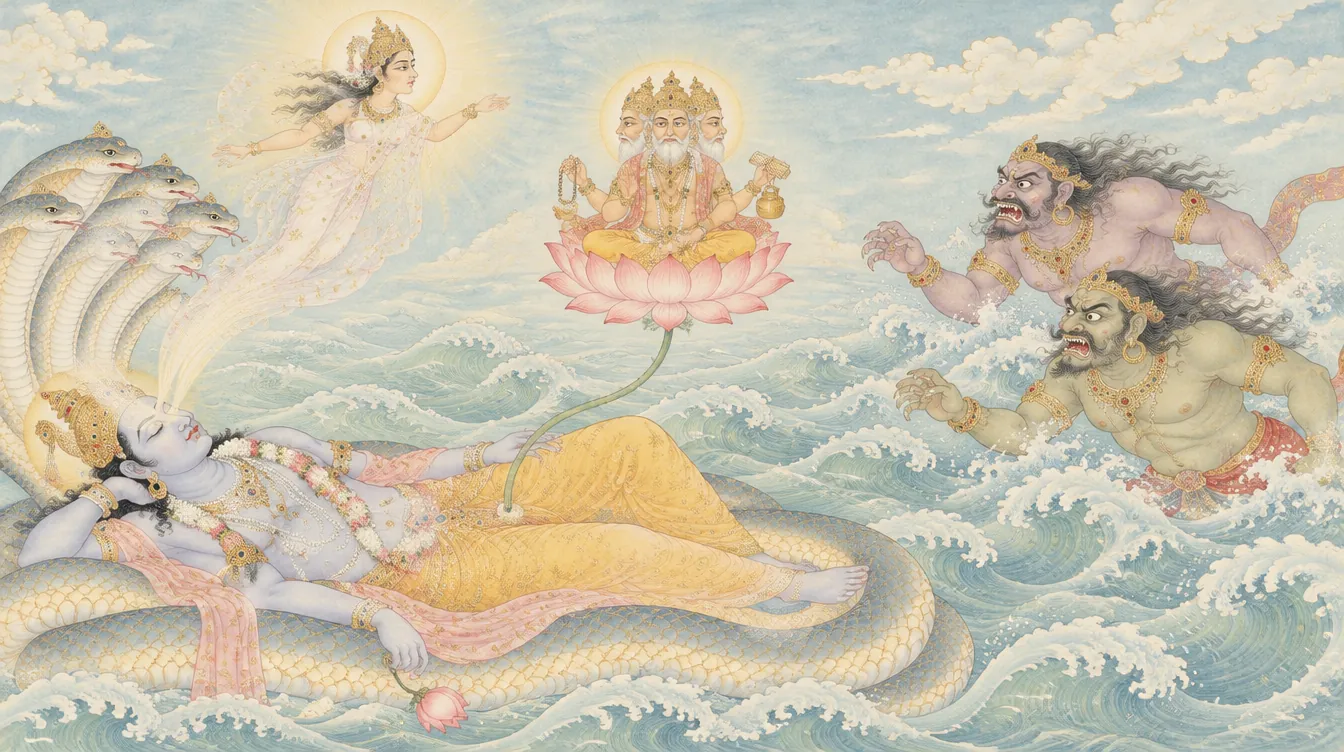
29The vaisya spoke:
30एवमेतद्यथा प्राह भवानस्मद्गतं वचः ॥
30This very thought has occurred to me, just as thou hast uttered it,
Verses 31 to 40
31किं करोमि न बध्नाति मम निष्ठुरतां मनः । यैः सन्त्यज्य पितृस्नेहं धनलुब्धैर्निराकृतः ॥
31Sir. What can I do? My mind does not entertain implacability; and my mind, which bears affection as of a master to his family, is affectionate to those very persons,
32पतिस्वजनहार्दं च हार्दि तेष्वेव मे मनः । किमेतन्नाभिजानामि जानन्नपि महामते ॥
32who have abandoned affection for a father and driven me out in their greed for riches. I do not comprehend, although I know it, O high-minded Sir,
33यत्प्रेमप्रवणं चित्तं विगुणेष्वपि बन्धुषु । तेषां कृते मे निः श्वासो दौर्मनस्यं च जायते ॥
33how it is that the mind is prone to love even towards worthless kinsmen. On their account my sighs flow and distress of mind arises.
34करोमि किं यन्न मनस्तेष्वप्रीतिषु निष्ठुरम् ॥
34What can I do since my mind is not relentless to those unloving relatives?
35मार्कण्डेय उवाच ॥
35Markandeya spoke:
36ततस्तौ सहितौ विप्र तं मुनिं समुपस्थितौ ॥
36Thereupon they both, the vaisya named Samadhi and
37समाधिर्नाम वैश्योऽसौ स च पार्थिवसत्तमः । कृत्वा तु तौ यथान्यायं यथार्हं तेन संविदम् ॥
37the noble king approached the muni, O brahman, and having both observed the etiquette worthy of him, as was proper,
38उपविष्टौ कथाः काश्चिच्चक्रतुर्वैश्य-पार्थिवौ ॥
38they sat down and held various discourse, the vaisya and the king.
39राजौवाच ॥
39The king spoke:
40भगवंस्त्वामहं प्रष्टुमिच्छाम्येकं वदस्व तत् ॥
40Adorable Sir! I desire to ask thee one thing; tell me that;
Verses 41 to 50
41दुः खाय यन्मे मनसः स्वचित्तायत्ततां विना । ममत्वं गतराज्यस्य राज्याङ्गेष्वखिलेष्वपि ॥
41since it tends to afflict my mind without producing submissiveness of my intellect. I have a selfish feeling for my kingdom, even with regard to all the requisites of regal administration,
42जानतोऽपि यथाज्ञस्य किमेतन्मुनिसत्तम । अयं च निकृतः पुत्रैर्दारैर्भृत्यैस्तथोज्झितः ॥
42although I know what it is, yet like one who is ignorant; how is this, O best of munis? And this man has been set at nought and cast off by his children, wife and servants;
43स्वजनेन च सन्त्यक्तस्तेषु हार्दे तथाप्यति । एवमेष तथाहं च द्वावप्यत्यन्तदुः खितौ ॥
43and when forsaken by his family he is nevertheless exceedingly full of affection towards them. Thus he and I also are both excessively unhappy; our minds are drawn by selfish thoughts to this matter,
44दृष्टदोषेऽपि विषये ममत्वाकृष्टमानसौ । तत्किमेतन्महाभाग यन्मोहो ज्ञानिनोरपि ॥
44even though we perceive the faults in it, How happens this then, illustrious Sir, that we are deluded although aware of it, and that this state of delusion besets me and him,
45ममास्य च भवत्येषा विवेकान्धस्य मूढता ॥
45who are each blind in respect of discrimination?
46ऋषिरुवाच ॥
46The rishi spoke:
47ज्ञानमस्ति समस्तस्य जन्तोर्विषयगोचरे ॥
47Every animal has this knowledge in objects cognizable by the senses and
48विषयश्च महाभाग याति चैवं पृथक्-पृथक् । दिवान्धाः प्राणिनः केचिद् रात्रावन्धास्तथापरे ॥
48an object of sense reaches it thus in divers ways, illustrious Sir! Some living beings are blind by day, and others are blind at night;
49केचिद् दिवा तथा रात्रौ प्राणिनस्तुल्यदृष्टयः । ज्ञानिनो मनुजाः सत्यं किन्तु ते न हि केवलम् ॥
49some living beings can see equally well by day and at night. Mankind know what is true, but not they alone indeed, because cattle,
50यतो हि ज्ञानिनः सर्वे पशु-पक्षि-मृगादयः । ज्ञानं च तन्मनुष्याणां यत् तेषां मृगृपक्षिणाम् ॥
50birds, wild animals and other creatures all certainly know it; and men have the same knowledge which those wild animals and birds have,
Verses 51 to 60
51मनुष्याणां च यत्तेषां तुल्यमन्यत् तथोभयोः । ज्ञानेऽपि सति पश्यैतान् पतङ्गाञ्छावचञ्चुषु ॥
51and equally both wild animals and birds have the other knowledge which those men have. Though they have such knowledge, look at these birds, which, though distressed by hunger themselves,
52कणमोक्षादृतान् मोहात्पीड्यमानानपि क्षुधा । मानुषा मनुजव्याघ्र साभिलाषाः सुतान् प्रति ॥
52are yet because of that same delusion assiduous in dropping grains into the beaks of their young ones. Human beings are full of longings towards their children, O hero;
53लोभात् प्रत्युपकाराय नन्वेतान् किं न पश्यसि । तथापि ममतावर्ते मोहगर्ते निपातिताः ॥
53do they not pass from greed for self unto mutual benefaction; dost thou not perceive this? Nevertheless they are hurled into the whirlpool of selfishness which is the pit of delusion;
54महामायाप्रभावेण संसारस्थितिकारिणा । तन्नात्र विस्मयः कार्यो योगनिद्रा जगत्पतेः ॥
54through the power of the Great Illusion they make worldly existence permanent. Marvel not then at this. This is the contemplation-sleep of the lord of the world,
55महामाया हरेश्चैतत् तथा संमोह्यते जगत् । ज्ञानिनामपि चेतांसि देवी भगवती हि सा ॥
55and the Great Illusion that comes from Hari; by it the world is completely deluded. Verily she, the adorable goddess, Great Illusion,
56बलादाकृष्य मोहाय महामाया प्रयच्छति । तया विसृज्यते विश्वं जगदेतच्चराचरम् ॥
56forcibly drawing the minds even of those who know, presents them to delusion. By her is created this whole universel both moveable and immoveable;
57सैषा प्रसन्ना वरदा नृणां भवति मुक्तये । सा विद्या परमा मुक्तेर्हेतुभूता सनातनी ॥
57she it is who when propitious bestows boons on men with a view to their final emancipation, She is Knowledge supreme; she is the eternal cause of final emancipation,
58संसारबन्धहेतुश्च सैव सर्वेश्वरेश्वरी ॥
58and the cause of the bondage of worldly existence; she indeed is the queen over all lords.
59राजोवाच ॥
59The king spoke:
60भगवन् ! का हि सा देवी महामायेति यां भवान् ॥
60Adorable Sir! Who then is that goddess whom thou stylest Maha-maya?
Verses 61 to 70
61ब्रवीति कथमुत्पन्ना सा कर्मास्याश्च किं द्विज । यत्स्वभावा च सा देवी यत्स्वरूपा यदुद्भवा ॥
61How was she born, and what is her sphere of action, O brahman? And what is her disposition, and what is her nature, and whence did she originate,
62तत् सर्वं श्रोतुमिच्छामि त्वत्तो ब्रह्मविदां वर ॥
62the goddess—all that I wish to hear from thee, O thou most learned in sacred knowledge!
63ऋषिरुवाच ॥
63The rishi spoke:
64नित्यैव सा जगन्मूर्तिस्तया सर्वमिदं ततम् ॥
64She exists eternally, embodied as the world. By her this universe was stretched forth.
65तथापि तत्समुत्पत्तिर्बहुधा श्रुयतां मम । देवानां कार्यसिद्ध्यर्थमाविर्भवति सा यदा ॥
65Nevertheless her origin is in many ways; hear it from me. When she reveals herself in order to accomplish the purposes of the gods,
66उत्पन्नेति तदा लोके सा नित्याप्यभिधीयते । योगनिद्रां यदा विष्णुर्जगत्येकार्णवीकृते ॥
66it is then said in the world that she is born; she is also named the Eternal One. While the adorable lord Vishnu, stretching S'esha out, wooed the sleep of contemplation at the end of the kalpa,
67आस्तीर्य शेषमभजत् कल्पान्ते भगवान् प्रभुः । तदा द्वावसुरौ घोरौ विख्यातौ मधुकैटभौ ॥
67when the universe was converted into absolute ocean, then two terrible Asuras named Madhu and Kaitabha,
68विष्णुकर्णमलोद्भूतौ हन्तुं ब्रह्माणमुद्यतौ । स नाभिकमले विष्णोः स्थितो ब्रह्मा प्रजापतिः ॥
68springing from the root of Vishnu’s ear, sought to slay Brahma. Brahma the Praja-pati stood on the lotus that grew from Vishnu’s navel;
69दृष्ट्वा तावसुरौ चोग्रौ प्रसुप्तं च जनार्दनम् । तुष्टाव योगनिद्रां तामेकाग्रहृदयस्थितः ॥
69and seeing those two fierce Asuras and sleeping Janardana, and standing with heart solely thereon intent, in order to awaken Hari,
70विबोधनार्थाय हरेर्हरिनेत्रकृतालयाम् । विश्वेश्वरीं जगद्धात्रीं स्थिति-संहारकारिणीम् ॥
70extolled that Sleep of contemplation which had made its dwelling in Hari’s eyes— the lord of splendour extolled Vishnu’s Sleep, which is Queen of the universe, the supporter of the world,
Verses 71 to 80
71निद्रां भगवतीं विष्णोरतुलां तेजसः प्रभुः ॥
71the cause of permanence and dissolution, full of reverence, incomparable.
72ब्रह्मोवाच ॥
72Brahma spoke:
73त्वं स्वाहा त्वं स्वधा त्वं हि वषट्कारः स्वरात्मिका ॥
73Thou art Svaha, thou art Svadha; thou indeed art Vashatkara, thou hast sound for thy soul; thou art the nectar of the gods,
74सुधा त्वमक्षरे नित्ये त्रिधा मात्रात्मिका स्थिता । अर्धमात्रा स्थिता नित्या यानुच्चार्या विशेषतः ॥
74the two eternal letters, thou existest having the three-fold matris for thy soul; thou existest half a matra in duration yet eternal; thou indeed canst not be uttered specifically;
75त्वमेव सन्ध्या सावित्री त्वं देवि जननी परा । त्वयैव धार्यते सर्वं त्वयैतत्सृज्यते जगत् ॥
75thou art the Savitri, thou art the divine mother sublime. By thee indeed everything is maintained, by thee this world is created,
76त्वयैतत्पाल्यते देवि त्वमत्स्यन्ते च सर्वदा । विसृष्टौ सृष्टिरूपा त्वं स्थितिरूपा च पालने ॥
76by thee it is protected, O goddess! and thou dost always consume it at the end. At its emanation thou didst take the form of creation, and in protecting it thou hast the form of permanence,
77तथा संहृतिरूपान्ते जगतोऽस्य जगन्मये । महाविद्या महामाया महामेधा महास्मृतिः ॥
77and at the end of this world thou wilt have the form of contraction, O thou who containest the world! Thou art the Great Knowledge, the Great Illusion, the Great Vigour, the Great Memory,
78महामोहा च भवती महादेवी महेश्वरी । प्रकृतिस्त्वञ्च सर्वस्य गुणत्रयविभाविनी ॥
78and the Great Delusion, the Lady, the Great Goddess, the Great Demon. And thou art the original source of the universe, the exciting cause of the three qualities;
79कालरात्रिर्महारात्रिर्मोहरात्रिश्च दारुणा । त्वं श्रीस्त्वमीश्वरी त्वं ह्रीस्त्वं बुद्धिर्बोधलक्षणा ॥
79thou art the Night of the world’s destruction, the Great Night, and the Night of delusion, terrible! Thou art Good Fortune, thou art Queen, thou art Modesty; thou art Intelligence characterized by perception;
80लज्जा पुष्टिस्तथा तुष्टिस्त्वं शान्तिः क्षान्तिरेव च । खडिगनी शूलिनी घोरा गदिनी चक्रिणी तथा ॥
80thou art Shame, Nourishment, and Contentment, Tranquillity and Patience also. Thou art terrible, armed with sword, with spear, with club, and with discus,
Verses 81 to 90
81शङ्खिनी चापिनी बाण-भुशुण्डी परिघायुधा । सौम्या सौम्यतराशेष-सौम्येभ्यस्त्वतिसुन्दरी ॥
81with conch, with bow, and having as weapons arrows, slings and an iron mace. Thou art gentle, yea more than gentle, exceedingly beautiful to those who are wholly gentle;
82परापराणां परमा त्वमेव परमेश्वरी । यच्च किञ्चित् क्वचिद्वस्तु सदसद्वाखिलात्मिके ॥
82thou art indeed beyond the highest and the lowest, Queen supreme! And whatever or wherever a thing is, whether good or bad, thou art the energy which all that possesses,
83तस्य सर्वस्य या शिक्तिः सा त्वं किं स्तूयते तदा । यया त्वया जगत्स्त्रष्टा जगत्पात्यत्ति यो जगत् ॥
83O thou who art the soul of everything. Can I extol thee more than this? By thee, who art such, he indeed, who created the world, who protects the world,
84सोऽपि निद्रावशं नीतः कस्त्वां स्तोतुमिहेश्वरः । विष्णुः शरीरग्रहणमहामीशान एव च ॥
84who consumes the world, is brought under the dominion of sleep. Who is able here to extol thee? Since Vishnu,
85कारितास्ते यतोऽतस्त्वां कः स्तोतुं शक्तिमान् भवेत् । सा त्वमित्थं प्रभावैः स्वैरुदारैर्देवि संस्तुता ॥
85I and Siva have been made by thee to assume bodies, who then may be powerful enough to extol thee? Being such, do thou, O goddess, lauded thus, bewitch these two unassailable Asuras,
86मोहयैतौ दुराधर्षावसुरो मधुकैटभौ । प्रबोधञ्च जगत्स्वामी नीयतामच्युतो लघु ॥
86Madhu and Kaitabha, with thy exalted powers, and let the imperishable master of the world be lightly brought back to consciousness,
87बोधश्च क्रियतामस्य हन्तुमेतौ महासुरौ ॥
87and let him rouse up his intelligence to slay these two great Asuras!
88ऋषिरुवाच ॥
88The rishi spoke:
89एवं स्तुता तदा देवी तामसी तत्र वेधसा ॥
89Then the goddess of darkness, extolled thus by the Creator there in order
90विष्णोः प्रबोधनार्थाय निहन्तुं मधुकैटभौ । नेत्रास्य-नासिका-बाहु-हृदयेभ्यस्तथोरसः ॥
90to awaken Vishnu to slay Madhu and Kaitabha, issued forth from his eyes, mouth, nose, arms and heart and breast,
Verses 91 to 100
91निर्गम्य दर्शने तस्थौ ब्रह्मणोऽव्यक्तजन्मनः । उत्तस्थौ च जगन्नाथस्तया मुक्तो जनार्दनः ॥
91and stood in the sight of Brahma whose birth is inscrutable; and Janardana, master of the world, being quitted by her,
92एकार्णवेऽहिशयनात् ततः स ददृशे च तौ । मधुकैटभौ दुरात्मानावतिवीर्यपराक्रमौ ॥
92rose up from his couch in the universal ocean; and he saw those two then, Madhu and Kaitabha, evil of soul,
93क्रोधरक्तेक्षणावत्तुं ब्रह्माणं जनितोद्यमौ । समुत्थाय ततस्ताभ्यां युयुधे भगवान् हरिः ॥
93excelling in heroism and prowess, red-eyed through anger, fully prepared to devour Brahma. Thereupon the adorable lord Hari rose up and fought with those two,
94पञ्चवर्षसहस्राणि बाहुप्रहरणो विभुः । तावप्यतिबलोन्मत्तौ महामायाविमोहितौ ॥
94striking them with his arms, for five thousands of years. And they, exceedingly frenzied with their power,
95उक्तवन्तौ वरोऽस्मत्तो व्रियतामिति केशवम् ॥
95deluded by the Great Illusion, exclaimed to Kesava, “Choose a boon from us!”
96भगवानुवाच ॥
96The god spoke:
97भवेतामद्य मे तुष्टौ मम वध्यावुभावपि ॥
97Be ye both now content with me; ye must both be slain by me!
98किमन्येन वरेणात्र एतावद्धि वृतं मम ॥
98What need is there of any other boon here? Thus much indeed is my choice.
99ऋषिरुवाच ॥
99The rishi spoke:
100वञ्चिताभ्यामिति तदा सर्वमापोमयं जगत् ॥
100Gazing then at the entire world which was nothing but water,
Verses 101 to 104
101विलोक्यं ताभ्यां गदितो भगवान् कमलेक्षणः । आवां जहि न यत्रोर्वी सलिलेन परिप्लुता ॥
101those two, who had been thus tricked, spoke to the adorable lotus-eyed god,— Slay us where the earth is not overwhelmed with water.”
101aप्रीतौ स्वस्तव युद्धेन श्लाघ्यस्त्वं मृत्युरावयोः ॥
101aA line found in some editions; Pargiter does not translate it.
102ऋषिरुवाच ॥
102The rishi spoke:
103तथेत्युक्त्वा भगवता शङ्ख-चक्र-गदाभृता । कृत्वा चक्रेण वै च्छिन्ने जघने शिरसी तयोः ॥
103“Be it so” said the adorable wielder of the conch, discus and club, and cutting them with his discus clove them both asunder, heads and buttocks.
104एवमेषा समुत्पन्ना ब्रह्मणा संस्तुता स्वयम् । प्रभावमस्या देव्यास्तु भूयः शृणु वदामि ते ॥
104Thus was she born when praised by Brahma himself. Now listen again, I tell thee of this goddess’ majesty.
- Sanskrit: मार्कण्डेयपुराणम्, अध्यायाः ८१-९३ (देवीमाहात्म्यम्), Sanskrit Wikisource ↗, by Sanskrit Wikisource contributors, used under CC BY-SA 4.0; the Sanskrit on this page is shared under the same licence. Not proofread against a printed edition.
- English: The Markandeya Purana, translated with notes by F. Eden Pargiter (Bibliotheca Indica, Asiatic Society of Bengal, Calcutta, 1904), cantos LXXXI to XCIII ↗. Public domain (published 1904; the translator died in 1927). Text taken from archive.org OCR of five scans of the printed book, compared word by word. Pargiter's wording is kept as printed; his footnotes are omitted.